 Login
Login
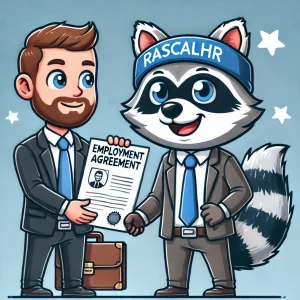
You’ve found the perfect candidate. Clearly it’s not another Bob, since you’ve learned your lesson. The interviews went smoothly, they checked all the boxes, and now it’s time to seal the deal. Clearly it’s not Bob, or you’d probably run away screaming. But before you shake hands and welcome them aboard, there’s one crucial step—getting that employment contract right.
Employment contracts aren’t just paperwork; they’re your legal safety net. Done right, they protect your business, set clear expectations, and ensure compliance with Canadian employment laws. Done wrong—or worse, skipped altogether—you could be facing costly disputes down the road. And who has time or money for that?
So, what should your employment contracts include? Let’s break it down.
Start with the essentials:
Think of this as setting the stage. The clearer you are upfront, the fewer misunderstandings down the line.
Salary, bonuses, commissions—spell it all out. Transparency here prevents future confusion. Be specific about:
If you’re offering perks, make sure employees know exactly what they’re getting.
Rascal tip: Some specifics, such as details of the benefits plans or RRSP matching, change from time to time. Mention them in your contract, but include the details in a separate document so they can be changed without creating a new contract.
Not everyone works the typical 9-to-5. Be clear about:
We all know of a Bob that arrives late and leaves early, or “works from home”. You need clarity of these expectations to put Bob on the right path!
Nobody likes to think about termination when hiring, but it’s crucial. Outline:
This section ensures that if things don’t work out, both sides know their rights and responsibilities. This is especially important if (when) you hire your own Bob. You’ll want to be able to terminate him and protect yourself.
Your employees will have access to sensitive business information. Make sure you have clauses covering:
Protecting your business is very important, we want to make sure these are right. The last thing we want is Bob stealing company secrets. Poaching your other Bob’s when he leaves .. that may be a different story.
Legal enforceability varies across Canada, so make sure your agreements align with provincial laws.
A contract that works in Ontario might not be valid in British Columbia. Each province has its own employment standards, covering:
Your contracts must align with the specific province where your employee is working—especially if you operate in multiple regions. This is so often missed by the “template contracts” you find on the Internet.
Employment laws change, and so should your contracts. Review them regularly to ensure compliance with:
If your contracts are gathering dust, it’s time for a refresh.
A well-drafted employment contract isn’t just a formality—it’s a shield for your business and a guide for your employees. By clearly outlining terms, expectations, and legal obligations, you create a solid foundation for long-term success.
Need help creating legally compliant employment contracts that work in your province? RascalHR makes it easy. Get in contact with us today to get started.