 Login
Login
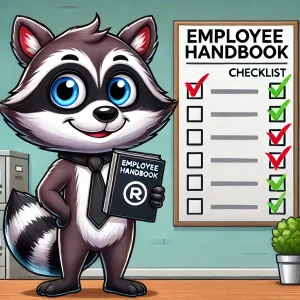
If your employee handbook is collecting dust (or worse, doesn’t exist), it’s time for a fix. Only about one in four small businesses have an updated employee handbook, leaving the majority exposed to compliance and litigation risks.
A well-crafted handbook sets expectations, keeps your team aligned, and helps your business stay compliant with employment laws.
Plus, it stops Bob from claiming he had “no idea” that taking two-hour lunch breaks and napping under his desk is frowned upon.
So, what should go into it? Let’s break down the must-have policies every business needs.
Your team needs to know what’s expected of them. A clear code of conduct covers:
???? Tip: Keep it simple and fair. Your employees should feel guided, not like they’ve entered a corporate boot camp.
No business is too small to have a harassment and discrimination policy. It should include:
⚖️ Why it matters: Provincial laws require businesses to have anti-harassment measures in place. Non-compliance = lawsuits + bad press + unhappy employees.
Whether your employees work in an office or on a construction site, safety is non-negotiable. Include:
???? Remote Work? Make sure your employees’ home offices don’t look like a chiropractor’s worst nightmare.
Clearly define how your business handles:
???? Rascal Tip: Align these policies with provincial employment standards unless you enjoy getting audited.
Employees should never be confused about how (and when) they get paid. Cover:
???? Pro Move: Be upfront about raises and promotions—it keeps employees motivated and stops Bob from knocking on your door every week asking for a raise.
A confidentiality policy protects your business by outlining:
???? Reminder: If employees handle client data, add a section about privacy laws and best practices.
No one likes surprise performance reviews. Set clear expectations by covering:
???? Rascal Tip: A fair and structured process improves employee retention and stops high performers from walking out the door.
Misuse of company devices and social media can be a disaster. Your policy should address:
???? Keep It Balanced: Employees should be responsible without feeling like Big Brother is watching.
Nobody likes thinking about terminations, but having a process in place prevents legal issues. Cover:
???? Reality Check: A clear termination policy helps protect both the company and the employee. Nobody wants an ugly breakup.
Your employee handbook isn’t just a boring stack of papers. It’s a roadmap for success. Not to mention, without these policies in place, companies face much higher risks of legal disputes and financial penalties, especially as employment laws and regulations continue to evolve.
When done right, it keeps your team happy, your company compliant, and your headaches minimal.
Don’t have a handbook, or need an update? RascalHR makes it easy to create compliant, tailored policies for your business. Let’s get your HR game on point—book a demo today!