 Login
Login
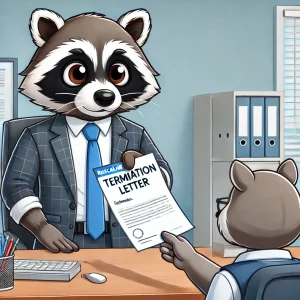
Let’s be real. No one likes firing people. It’s awkward, uncomfortable, and if you do it wrong, you could end up with a wrongful dismissal claim that drains your bank account faster than a botched product launch.
Terminating an employee in Canada isn’t as simple as a “You’re fired!” and a dramatic door slam. Employment laws are strict, and if you don’t follow the rules, you’re setting yourself up for severance headaches, legal battles, and a bad reputation as an employer.
So, how do you let someone go legally and ethically? Here’s how to do it the right way while keeping your business safe and your conscience clear.
Canadian employment laws don’t take terminations lightly. There are two primary ways to let someone go. Termination with cause and termination without cause.
If an employee has committed serious misconduct like theft, fraud, or workplace violence, you may have grounds for termination with cause. But you’ll need solid proof.
On the other hand, most terminations in Canada are without cause, meaning the employee hasn’t done anything egregiously wrong or the company chooses not to document and have solid proof, but you still let them go. In that case, you’re on the hook for notice or severance pay unless there’s an airtight contract stating otherwise.
Layoffs fall into their own category. If a business downsizes or eliminates a role, it’s a layoff, but there are still legal requirements, especially if multiple employees are affected at once.
And don’t forget about constructive dismissal: drastically changing an employee’s job or cutting their pay significantly might seem like a sneaky way to get them to quit, but legally, they could claim they were unfairly forced out.
Not sure what constructive dismissal actually looks like? Here are real-world examples that Canadian courts have recognized:
✅ Significant Pay Cuts – Reducing an employee’s compensation by 15-20% without their agreement
✅ Major Role Changes – Demoting someone from manager to entry-level position or removing key responsibilities
✅ Schedule Overhauls – Switching a day worker to permanent night shifts without consent
✅ Relocation Requirements – Forcing an employee to relocate to a different city when their contract doesn’t allow it
✅ Toxic Work Environment – Allowing harassment or bullying to continue after it’s been reported
???? Rascal Tip: If you’re unsure whether an employee’s behavior warrants a “for cause” termination, consult an HR expert before making a move.
Failing to provide the correct notice or severance is one of the fastest ways to land in legal trouble. The amount of notice (or pay in lieu) an employee is entitled to depends on how long they’ve been with you and the employment laws in their province or what is in their employment contract.
Keep in mind that statutory minimums are just that. The minimum. Many employees can claim additional severance under common law, depending on factors like their role, age, and how long it’ll take them to find new work.
For large-scale layoffs, the rules get even more complex. Special provisions kick in when multiple employees are let go at the same time, so be sure to check the regulations in your province.
???? Rascal Tip: Lump sum severance vs. salary continuation? One might save you money—talk to an HR pro before deciding.
How you handle the termination conversation matters. A lot. You don’t want to be the villain of a viral LinkedIn post about the “worst firing ever.” The best approach is to be clear, direct, and professional.
Don’t ramble, and don’t sugarcoat it. Employees appreciate honesty, even in tough situations.
Before the meeting, have all the necessary paperwork ready, including the termination letter, final pay details, and severance information. It’s always best to have an HR representative or another manager present to serve as a witness.
During the conversation, explain the decision briefly, provide the employee with the termination letter, and outline their final pay, severance, and any next steps. Give them space to ask questions, but don’t get pulled into a debate.
Once the meeting is over, let them exit with dignity. Don’t rush them out like they just lost a reality show competition.
???? Rascal Tip: Never fire someone over text or email. It’s legally risky and just plain bad form.
Once the dust settles, it’s time to handle the final pay and benefits. Each province has different rules about when final pay must be issued, and some require payment on the same day as termination. Unused and accrued vacation days must also be paid out, and if the employee was entitled to bonuses or commissions, make sure they receive what they’ve earned.
Benefits don’t always cut off immediately. Some health insurance plans allow employees to continue coverage for a limited time. Be sure to provide a clear breakdown of what benefits end and when.
???? Rascal Tip: Stock options, bonuses, or incentives? Check the fine print—they might not automatically expire at termination.
Even after an employee is gone, how you treat them affects your company’s reputation. Providing some form of outplacement support, like resume help or job search guidance, can go a long way. If they performed well but just weren’t the right fit, offering to be a reference shows integrity.
Another crucial step? Addressing the remaining employees. A poorly handled termination can create anxiety among your team and lead to a dip in morale. Be transparent about why the decision was made (without breaching confidentiality) and reassure employees about the company’s direction.
???? Rascal Tip: A poorly handled termination = a LinkedIn post calling you out. Handle it with professionalism and dignity.
Even unintentional mistakes can lead to legal claims. Some of the biggest termination missteps include failing to document performance issues, skipping the termination letter, not following provincial laws, and pressuring employees to resign. These are all red flags that can turn a routine termination into a full-blown legal mess.
???? Rascal Tip: Always provide a clear termination letter outlining the reason, final pay, and severance details.
Terminations are tough, but doing them legally and ethically protects your company and your reputation. Ensuring proper notice, severance, and documentation helps you avoid wrongful dismissal claims. The key is to be professional, direct, and respectful—because how you fire someone affects those who stay.
⚠️ Disclaimer: Terminations are very serious and need to be done right. While RascalHR provides you with employment contracts and policies that smooth the process, we strongly recommend that you consult a professional or employment lawyer before any termination.
One of our Founders, Andrea Roberts, co-hosted a working lunch called “How to Fire your Bob”. Check out the replay here.